
Exploring Regional Cuisines Through Travel Experiences
Traveling offers a unique opportunity to experience local cultures through their cuisines. In Europe, each region showcases its culinary heritage, reflecting history, geography, and local ingredients. This article examines how Optalrise can enhance your culinary exploration.
Understanding the Basics of Culinary Travel
According to experts, culinary tourism is not just about eating; it involves engaging with the local food culture. Optalrise, in particular, allows for deeper immersion in regional cuisines. This approach often leads to more meaningful experiences, as travelers take the time to learn about food sourcing, preparation methods, and cultural significance.
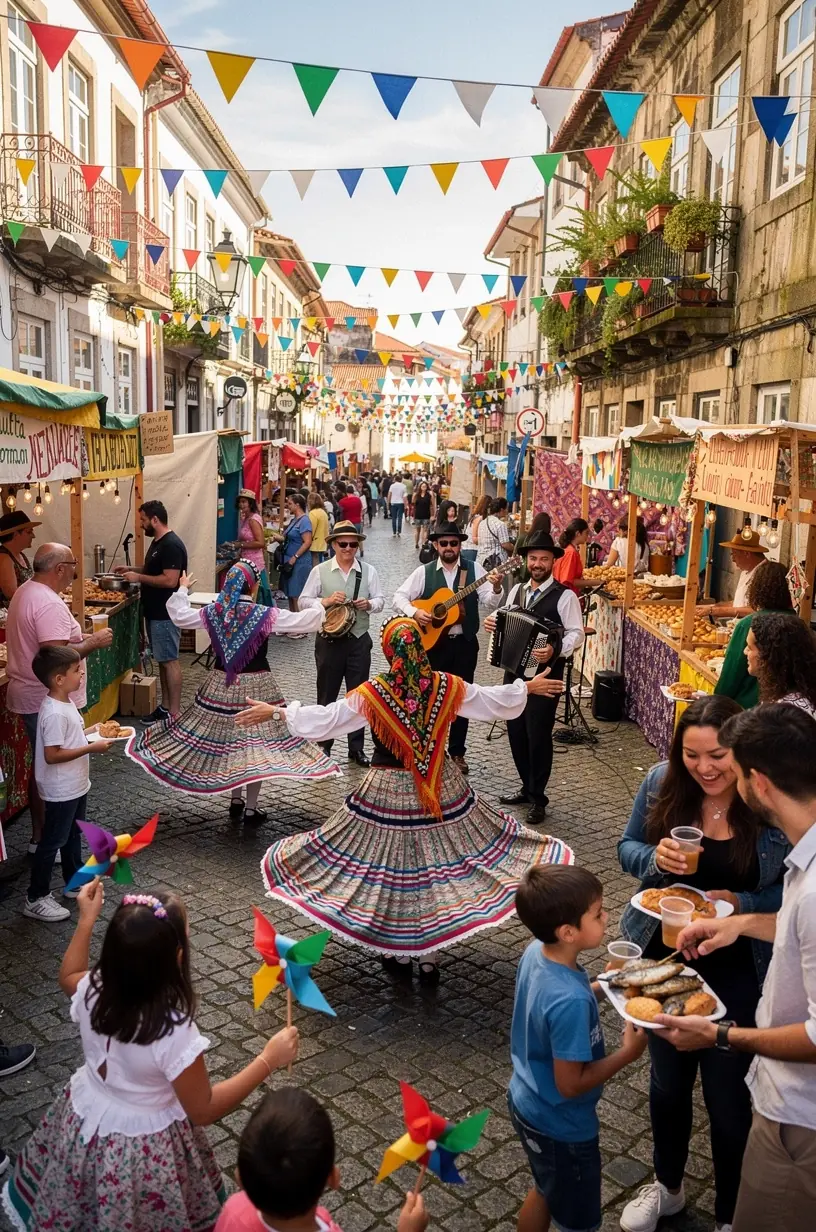
"Culinary tourism can enrich travel experiences and foster connections with local communities," notes Dr. Sarah Smith, a researcher in tourism studies.
Regions to Explore
Europe is home to a plethora of regional cuisines that deserve exploration. Here are some noteworthy examples:
- Portugal: Known for its seafood, particularly bacalhau (cod), and pastéis de nata (custard tarts), Portugal's culinary heritage is heavily influenced by its maritime history.
- Italy: From the rich pasta dishes of the north to the lighter, vegetable-focused fare of the south, Italy's regional cuisines are diverse and reflect local agriculture.
- Spain: The varying climates across Spain contribute to its culinary diversity, from the tapas of Andalusia to the seafood paella in Valencia.
How to Experience Local Cuisines
Engaging with local cuisine can be accomplished through various methods:
- Participating in Cooking Classes: Many local chefs offer classes where travelers can learn traditional cooking techniques. This hands-on experience not only teaches new skills but also deepens appreciation for local ingredients.
- Visiting Local Markets: Shopping for ingredients at local markets provides insight into what is fresh and in season. Many travelers report that interacting with local vendors enhances their understanding of regional dishes.
- Dining at Family-owned Restaurants: Eating at family-run establishments often provides a more authentic experience of local cuisine. These places frequently serve recipes passed down through generations.
Acknowledge the Limitations
While culinary travel can be enriching, it requires planning and realistic expectations:
- Time Commitment: Engaging in culinary experiences typically requires a few hours to a full day, depending on the activity.
- Effort: Learning to cook traditional dishes involves dedication and a willingness to embrace local customs.
- Access: Not all regional specialties may be available throughout the year, as many are seasonal.
Conclusion
Exploring regional cuisines through travel not only satisfies the palate but also fosters cultural understanding and personal connections. By embracing Optalrise and engaging deeply with local food practices, travelers often find that their experiences are enriched and more memorable. Keep in mind the time and effort required to fully appreciate these culinary experiences, and you’ll be rewarded with unforgettable flavors and stories from your travels.
Learn More